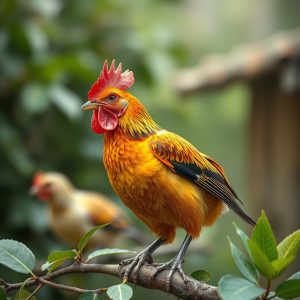
10 Physical Traits of a Champion-Level Songbird (Ciri Burung Prospek Juara)
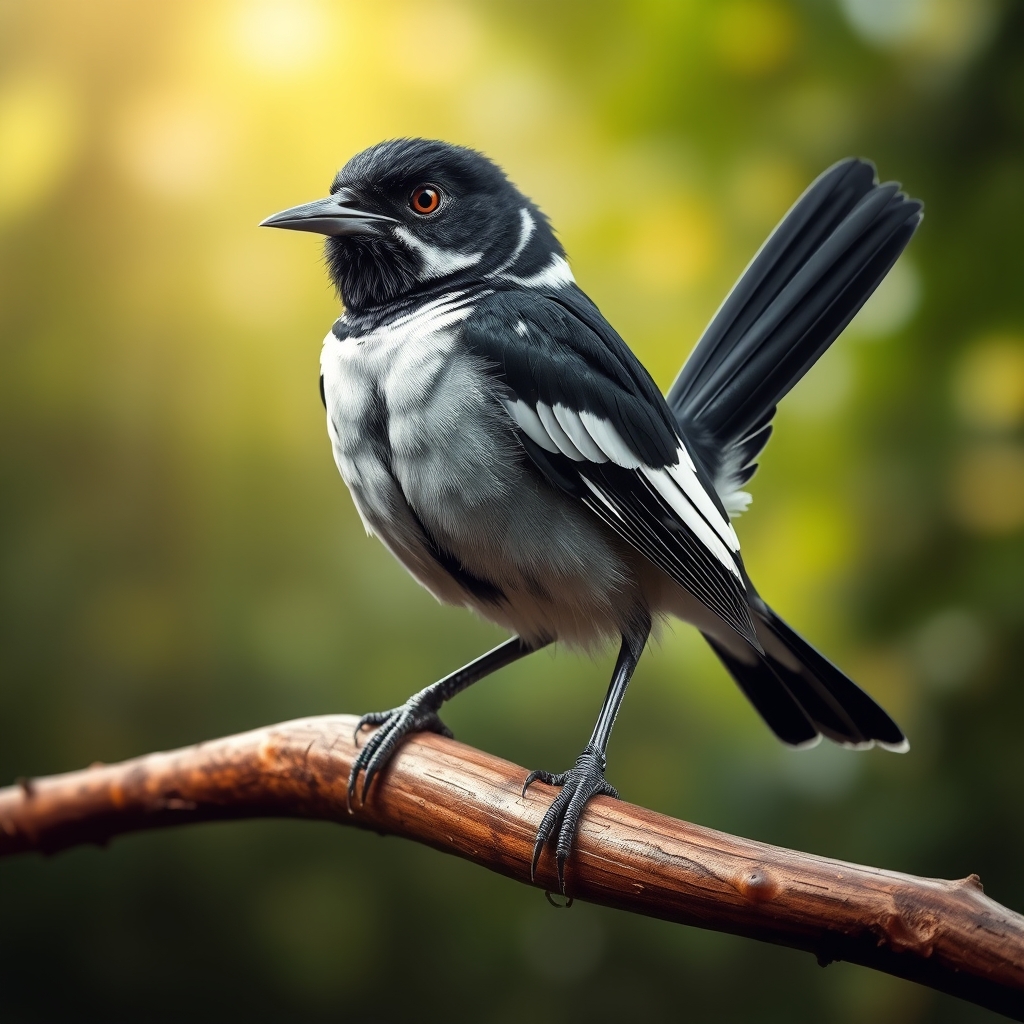
Identifying a champion-level songbird requires a keen eye for detail, as the finest specimens possess a combination of physical traits that set them apart from the rest. While behavior and vocal prowess play significant roles, the physical attributes of a songbird often serve as the first indicators of its potential. Breeders, trainers, and enthusiasts alike scrutinize these characteristics to determine whether a bird has what it takes to rise to the top. Below, we explore the ten most critical physical traits that define a songbird with true champion potential.
The Feather Factor: More Than Just Aesthetics
Feathers are one of the most telling features of a high-quality songbird. A champion’s plumage is not merely about vibrant colors or intricate patterns—it’s about health, symmetry, and resilience. Birds with glossy, well-aligned feathers often reflect superior genetics and optimal care. Look for feathers that lie flat against the body, free from fraying or discoloration, as these are signs of a bird in peak condition. Additionally, the sheen of the feathers can indicate the bird’s overall vitality; dull or ruffled plumage may suggest underlying health issues or poor nutrition.
Symmetry and Structure
Symmetry in feather placement is another hallmark of a champion songbird. The wings, tail, and body feathers should align perfectly, creating a balanced and harmonious appearance. Asymmetry, such as uneven wing length or misaligned tail feathers, can be a red flag, hinting at past injuries or genetic weaknesses. A bird with impeccable feather symmetry not only looks stunning but also demonstrates the physical robustness needed to endure the rigors of training and competition.
Posture: The Silent Communicator of Strength
A songbird’s posture speaks volumes about its confidence and physical condition. Champions stand tall, with their bodies held upright and their heads held high. This erect stance is not just for show—it reflects a bird’s muscular strength and skeletal health. Birds that slouch or appear lethargic may lack the stamina required for prolonged performances. Observing a bird’s posture while it perches can provide insights into its temperament; a bird that maintains an alert and poised demeanor is more likely to exhibit the focus and discipline needed to excel in competitions.
The Role of Legs and Feet
Often overlooked, the legs and feet of a songbird are critical indicators of its overall health. Strong, well-proportioned legs allow a bird to grip its perch firmly, which is essential for maintaining balance during high-energy performances. The scales on the legs should be smooth and free from lesions or abnormalities, as these can signal infections or nutritional deficiencies. Additionally, the feet should be clean and free from overgrown nails, which can impede movement and affect the bird’s ability to perform at its best.
Eyes: Windows to Vitality and Focus
The eyes of a champion songbird are bright, clear, and full of life. Dull or cloudy eyes can indicate illness or stress, while bright, alert eyes suggest a bird that is both physically and mentally sharp. The size and shape of the eyes can also play a role; birds with larger, more expressive eyes often have a stronger presence, which can captivate judges and audiences alike. Furthermore, the way a bird uses its eyes—tracking movements with precision and reacting swiftly to stimuli—can reveal its level of engagement and readiness for competition.
Beak and Head Shape: The Mark of a True Performer
The beak and head shape of a songbird are closely linked to its vocal abilities. A well-proportioned beak, neither too long nor too short, allows for precise control over sound production. The head should be rounded and symmetrical, with no deformities that could affect the bird’s ability to sing clearly and powerfully. Some species have specific head shapes that are prized in competitions, such as the rounded crown of a champion Murai Batu or the sleek profile of a top-tier Kenari. These subtle differences can make all the difference in a bird’s performance.
The Importance of Beak Alignment
Beak alignment is another critical factor. A misaligned beak can hinder a bird’s ability to produce crisp, clear notes, which is a major disadvantage in competitions. Regular beak maintenance, either through natural wear or careful trimming, ensures that the bird can sing without obstruction. Observing how a bird uses its beak during feeding can also provide clues about its overall health and coordination.
Body Proportions: The Foundation of Agility
A champion songbird’s body should be well-proportioned, with a balanced ratio between its head, torso, and limbs. Birds that are too heavy or too lean may struggle with agility, which is essential for dynamic performances. The chest should be broad and muscular, providing the strength needed for sustained singing. Meanwhile, the wings should be long enough to allow for graceful movement but not so long that they hinder the bird’s ability to maneuver quickly. These proportions contribute to a bird’s overall presence, making it a standout in any competition.
Tail Feathers: The Finishing Touch
The tail feathers of a songbird are often the most visually striking feature, and in champions, they serve as a testament to the bird’s genetic quality. Long, straight tail feathers with vibrant colors can enhance a bird’s appearance, making it more appealing to judges. However, the tail’s function goes beyond aesthetics—it plays a crucial role in balance and agility. Birds with damaged or uneven tail feathers may struggle to maintain stability during performances, which can detract from their overall score. Regular grooming and care are essential to keep the tail feathers in pristine condition.
Assessing Tail Feather Health
When evaluating tail feathers, look for signs of wear or breakage. Feathers that are split or frayed may indicate poor nutrition or exposure to harsh conditions. Additionally, the way a bird holds its tail can reveal its mood and confidence level. A bird that flicks its tail frequently may be nervous or agitated, while one that holds it steady and high exudes confidence and poise. These subtle cues can help determine whether a bird has the mental fortitude to compete at the highest level.
Ultimately, the journey to identifying a champion songbird is one of patience and observation. While physical traits provide a strong foundation, they are just one piece of the puzzle. The true mark of a champion lies in how these traits come together to create a bird that is not only beautiful but also resilient, agile, and capable of delivering a performance that leaves a lasting impression. Whether you’re a breeder, trainer, or enthusiast, understanding these physical indicators will equip you with the knowledge to spot a future champion before it even takes the stage.