Kroto Segar: Natural Superfood for Songbirds and Its Health Benefits
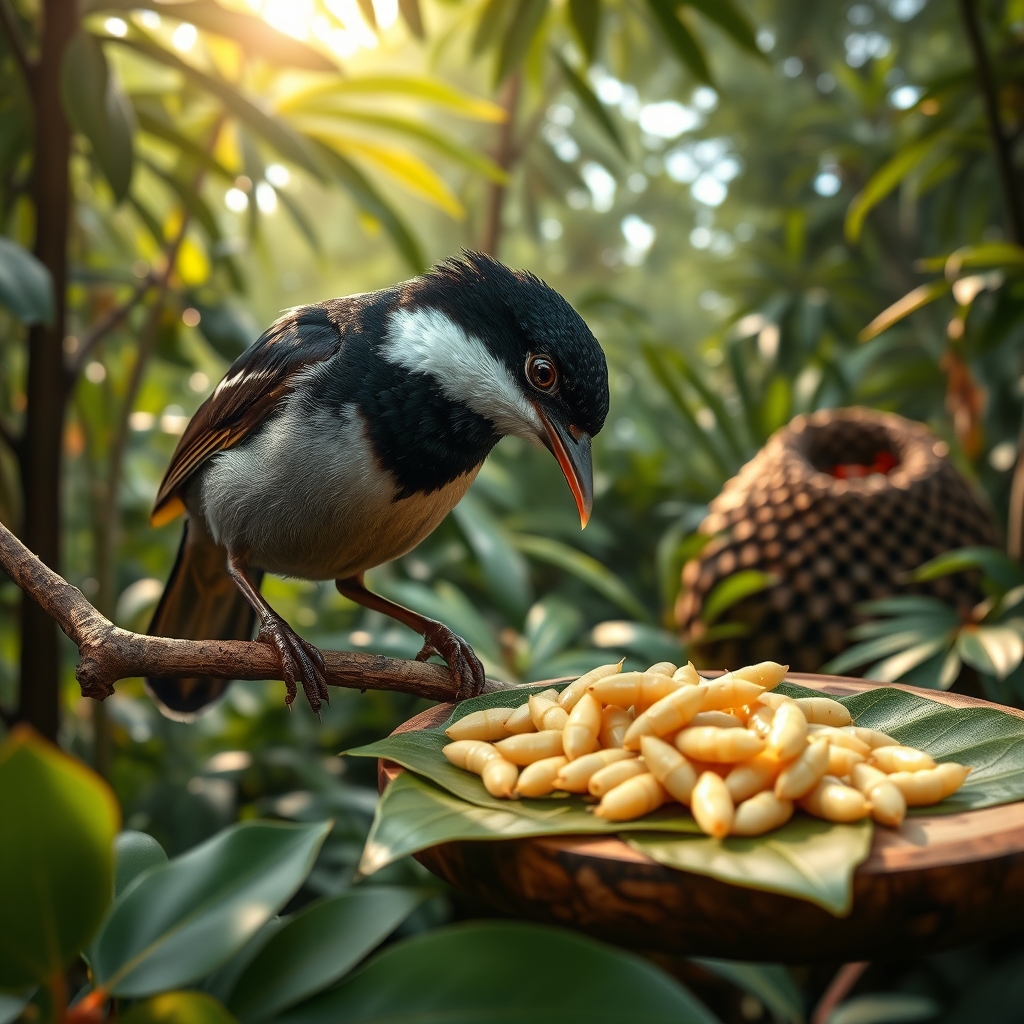
For centuries, bird enthusiasts and breeders have sought the secret to keeping songbirds vibrant, energetic, and in peak vocal condition. Among the most prized natural feeds in avian care is kroto—live termite larvae revered for their exceptional nutritional profile. Often called the “superfood” for songbirds, kroto provides a powerhouse of proteins, fats, and essential nutrients that mimic a bird’s natural diet in the wild. Whether you’re a seasoned breeder or a passionate hobbyist, understanding the benefits of kroto and how to incorporate it into your bird’s diet can make a world of difference in their health and performance.
The Nutritional Powerhouse of Kroto
Kroto, the larvae of Macrotermes or Odontotermes termites, is packed with nutrients that are vital for songbirds. Unlike processed feeds, kroto offers a balanced, bioavailable source of nutrition that aligns closely with what birds would consume in their natural habitats. Here’s a breakdown of its key nutritional components:
High-Quality Protein
Protein is the cornerstone of a songbird’s diet, especially during molting, breeding, or periods of intense vocal activity. Kroto contains up to 60% protein by dry weight, making it one of the richest natural sources available. This protein is essential for muscle development, feather growth, and overall metabolic function. Birds fed with kroto often exhibit stronger, more resilient feathers and improved stamina, which is particularly beneficial for competitive songbirds or those in training.
Healthy Fats and Energy
In addition to protein, kroto is rich in healthy fats, including omega-3 and omega-6 fatty acids. These fats are crucial for maintaining energy levels, supporting brain function, and ensuring proper hormone regulation. For songbirds, which expend significant energy during singing or flying, the fats in kroto provide a sustained source of fuel. This is especially important during colder months or migration periods when birds need extra calories to maintain body heat and endurance.
Vitamins and Minerals
Kroto is not just about macronutrients; it’s also a treasure trove of micronutrients. It contains vitamins A, B complex, D, and E, which play roles in everything from immune function to reproductive health. Minerals like calcium, phosphorus, and iron are also present in kroto, supporting bone strength, blood health, and enzyme function. For breeding birds, these nutrients are particularly valuable, as they contribute to the development of strong, healthy offspring.
Sourcing Fresh Kroto: What You Need to Know
While kroto’s benefits are undeniable, its effectiveness hinges on freshness and quality. Fresh kroto is lively, plump, and free from contaminants, ensuring that your birds receive the maximum nutritional benefit. Here’s how to source the best kroto for your feathered companions:
Harvesting from the Wild
In regions where termites are abundant, such as tropical or subtropical areas, kroto can often be harvested directly from termite mounds. This method is cost-effective and ensures the larvae are as fresh as possible. However, it requires knowledge of termite behavior and the right tools to extract the larvae without harming the colony. It’s also important to harvest kroto from areas free of pesticides or pollutants, as these can be harmful to birds.
Purchasing from Trusted Suppliers
For those who don’t have access to wild termite mounds, purchasing kroto from reputable suppliers is a convenient alternative. Look for suppliers who specialize in live feeds for birds and have a track record of providing high-quality, fresh kroto. It’s advisable to buy in small batches to ensure freshness, as kroto has a relatively short shelf life once harvested. Some suppliers also offer frozen kroto, which can be a practical option for long-term storage, though live kroto is generally preferred for its superior nutritional value.
Storing Kroto Properly
Once you’ve sourced your kroto, proper storage is key to maintaining its freshness. Live kroto should be kept in a well-ventilated container with a substrate that mimics their natural environment, such as moist soil or coconut fiber. The container should be stored in a cool, dark place to prevent the larvae from drying out or becoming stressed. If you’re using frozen kroto, thaw it gradually in the refrigerator to preserve its nutritional integrity before feeding it to your birds.
Feeding Guidelines: How to Incorporate Kroto into Your Bird’s Diet
Introducing kroto into your songbird’s diet requires a thoughtful approach to ensure they receive the right balance of nutrients without overfeeding. Here’s how to do it effectively:
Start Slowly
If your bird has never been fed kroto before, it’s best to introduce it gradually. Start with small amounts, mixed with their regular feed, to allow their digestive system to adjust. Over time, you can increase the proportion of kroto as your bird becomes accustomed to it. This gradual introduction also helps you monitor your bird’s reaction to the new feed, ensuring they tolerate it well.
Determine the Right Quantity
The amount of kroto to feed depends on your bird’s size, activity level, and life stage. As a general guideline, kroto should make up about 10-30% of a songbird’s diet, with the remainder consisting of a balanced mix of seeds, fruits, and other natural feeds. For breeding birds or those in training, you may increase the proportion of kroto to support their higher energy and protein needs. However, it’s important not to overfeed, as excessive protein can lead to health issues such as obesity or kidney strain.
Feeding Methods
Kroto can be offered to birds in several ways, depending on their preferences and your convenience. Some birds enjoy hunting live kroto, which can also provide mental stimulation and mimic their natural foraging behavior. Others may prefer kroto mixed into their regular feed or offered in a shallow dish. For picky eaters, you can try lightly dusting the kroto with a bit of honey or a vitamin supplement to make it more appealing. Regardless of the method, always ensure that the kroto is fresh and free from contaminants before offering it to your birds.
Monitoring Your Bird’s Health
As with any dietary change, it’s important to monitor your bird’s health and behavior after introducing kroto. Look for signs of improved vitality, such as brighter feathers, increased energy, and more robust singing. If you notice any adverse reactions, such as digestive upset or lethargy, reduce the amount of kroto or consult a veterinarian for advice. Regular health check-ups can also help ensure that your bird is thriving on their new diet.
Embracing kroto as part of your songbird’s diet is more than just a nutritional choice—it’s a commitment to providing them with the best possible care. By understanding its benefits, sourcing it responsibly, and feeding it thoughtfully, you can help your birds achieve their full potential, whether they’re cherished pets or prized competitors. The natural goodness of kroto not only nourishes their bodies but also connects them to the wild instincts that make songbirds such a joy to behold. As you watch your birds flourish, you’ll find that the effort to incorporate this superfood into their diet is a small price to pay for the vibrant, melodious rewards it brings.